Free Shipping on $30+

Cart
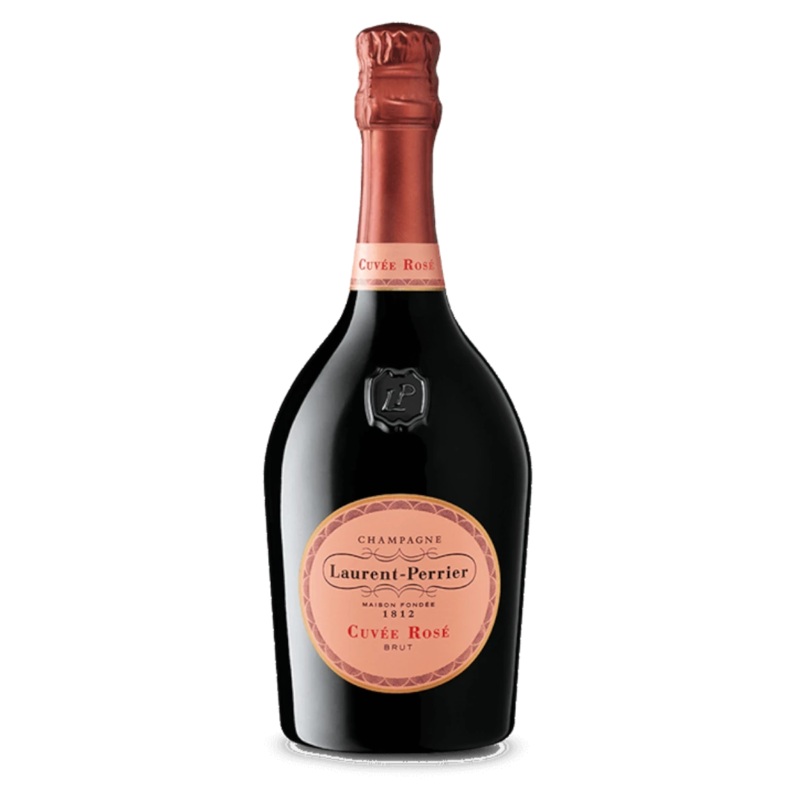
Laurent-Perrier Brut Ros is a 100% Pinot Noir ros Champagne produced by cold maceration, bottled at 12% ABV in a 750ml format. Awarded 95 points by Decanter and 94 points from Wine Enthusiast, this iconic pink Champagne helped pioneer the modern ros category and remains one of the most recognized expressions in the style.
Quick Facts: ABV: 12% | Origin: Champagne, France | Non-Vintage Brut Ros | Producer: Laurent-Perrier
Production & Heritage
Laurent-Perrier, founded in 1812 in Tours-sur-Marne, first released its Cuve Ros Brut in 1968. While many ros Champagnes are made by blending red and white base wines, Laurent-Perrier uses a maceration method often called saigne in which 100% Pinot Noir grapes from 10 different crus undergo cold maceration for 48 to 72 hours. The timing of pressing the juice off the skins is so critical that, according to the house, missing it by even an hour can compromise the result. Laurent-Perrier has built an entire winery dedicated solely to the production of this single cuve, a testament to the labor-intensive precision the process demands.
Tasting Notes
Aroma: The bouquet opens with fresh raspberry and strawberry, then unfolds into more complex layers of blood orange, rose petals, and rhubarb. Behind the fruit sits a gentle backdrop of brioche, chalky minerality, and a whisper of brown spice.
Taste: The entry is bright and sappy, with intense red berry fruit morello cherry, redcurrant, blackcurrant arriving alongside candied pink grapefruit peel and bitter citrus. At mid-palate, the wine broadens with pastry cream richness and white pepper undertones, all kept taut by vibrant acidity and a finely detailed mousse that lifts each flavor.
Finish: The finish is medium-long with a chalky, mineral-driven texture and lingering notes of rye bread, gentle smokiness, and fresh raspberry. A subtle spice clove and ginger persists as the mousse fades cleanly.
How to Drink Laurent-Perrier Ros
Serve well chilled at 4650F in a tulip-shaped glass to concentrate the aromatics while allowing the mousse to express itself fully. This ros Champagne is striking on its own as an aperitif, but its structure and fruit intensity make it versatile in cocktails. A French 75 Ros substitutes this cuve for traditional brut, adding berry depth to the gin-and-lemon classic. A Kir Royale made with a restrained pour of crme de cassis amplifies the wine’s natural blackcurrant character without overwhelming it. A Champagne Negroni Sbagliato uses this ros in place of sparkling wine, where its Pinot Noir backbone and slight bitterness stand up to Campari and sweet vermouth.
Best For
- Celebrating milestones like anniversaries, engagements, or promotions with a prestige-level ros
- Gifting someone who already knows and loves Champagne the distinctive bottle is instantly recognizable
- Hosting an elevated brunch or garden party where visual presentation matters
- Pairing with a multicourse dinner that features seafood, poultry, or charcuterie
Frequently Asked Questions
What does Laurent-Perrier Ros taste like? Laurent-Perrier Brut Ros delivers intense fresh raspberry, morello cherry, and blackcurrant flavors supported by chalky minerality, brioche richness, and a persistent white pepper spice. Vibrant acidity and a fine mousse keep it lively and balanced from start to finish.
How does Laurent-Perrier Ros compare to Veuve Clicquot Brut Ros? Veuve Clicquot Ros is made by blending Pinot Noir-based red wine into a white Champagne base, resulting in a fruitier, more vinous style, while Laurent-Perrier uses cold maceration of 100% Pinot Noir for a purer berry expression with more mineral complexity. Laurent-Perrier Ros has scored higher with Decanter (95 points) and is generally regarded as a more refined, aromatic take on the style.
Is Laurent-Perrier Ros good for sipping neat? Absolutely its balance of concentrated fruit, lively acidity, and fine mousse makes it one of the most rewarding ros Champagnes to drink on its own. Serving it chilled without any additions lets the maceration-driven complexity come through clearly.
Where is Laurent-Perrier Ros made? Laurent-Perrier Brut Ros is produced in Tours-sur-Marne in the Champagne appellation of northeastern France. The Pinot Noir grapes are sourced from 10 different crus across the region, and the house operates a dedicated winery exclusively for this cuve.
What foods pair well with Laurent-Perrier Ros? Seared salmon benefits from the wine’s acidity and berry fruit cutting through the fish’s richness. Duck breast with cherry reduction echoes the Pinot Noir-driven dark fruit notes. Soft-ripened cheeses like Brie or Chaource match the creamy mousse texture. Tuna tartare or ceviche works well with the bright citrus and mineral backbone. Raspberry tart or strawberry shortcake mirror the wine’s dominant fruit character without clashing on sweetness.
What sizes does Laurent-Perrier Ros come in? Laurent-Perrier Brut Ros is widely available in the standard 750ml bottle, as well as 375ml half bottles and 1.5L magnums for larger gatherings or aging.
Is Laurent-Perrier Ros worth the price? Laurent-Perrier Brut Ros positions as a premium ros Champagne, sitting above entry-level pink Champagnes but below vintage and prestige cuves. With consistent critical acclaim 95 points from Decanter, 94 from Wine Enthusiast and a unique maceration-based production method that few houses replicate at this scale, it delivers strong value within its tier.
Why Laurent-Perrier Ros?
Few ros Champagnes are produced with this level of singular focus. The 48-to-72-hour cold maceration of 100% Pinot Noir executed in a winery built exclusively for this one wine yields a depth and purity of berry fruit that blended ros methods rarely achieve. Critical recognition backs this up: 95 points from Decanter, 94 from Wine Enthusiast, and 93 from both Wine Spectator and Vinous place it among the highest-rated non-vintage ros Champagnes available. Since its debut in 1968, Laurent-Perrier Brut Ros has defined what maceration-style ros Champagne can be, and its consistency across decades makes it a benchmark rather than a trend.
You may also like

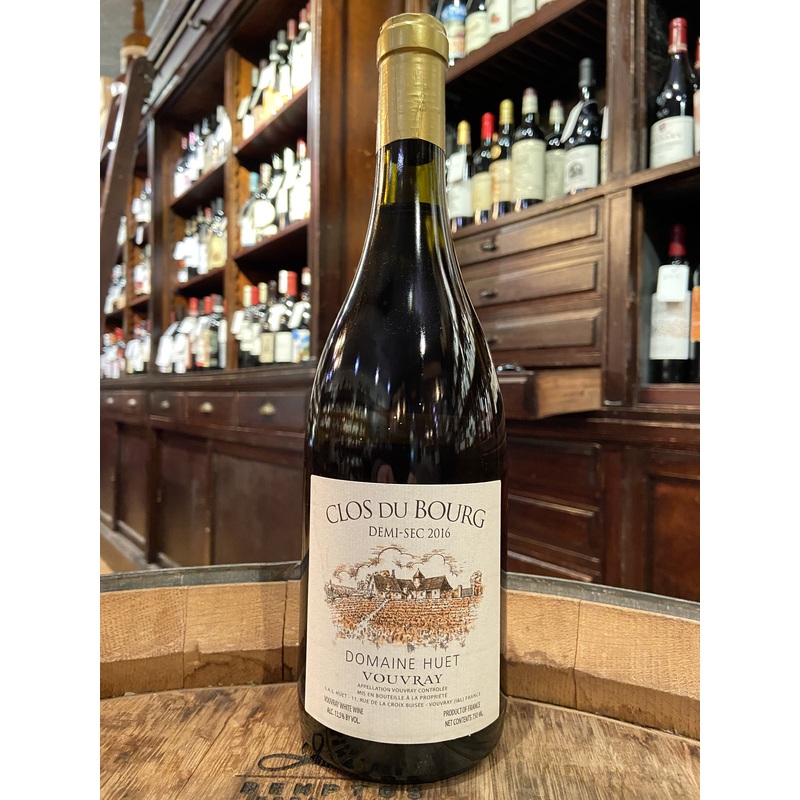
2016 Domaine Huet Vouvray ‘Clos du Bourg’ Demi-Sec
Original price was: $44.99.$26.99Current price is: $26.99.
Chateau Malmaison 2022
Original price was: $47.00.$28.20Current price is: $28.20.